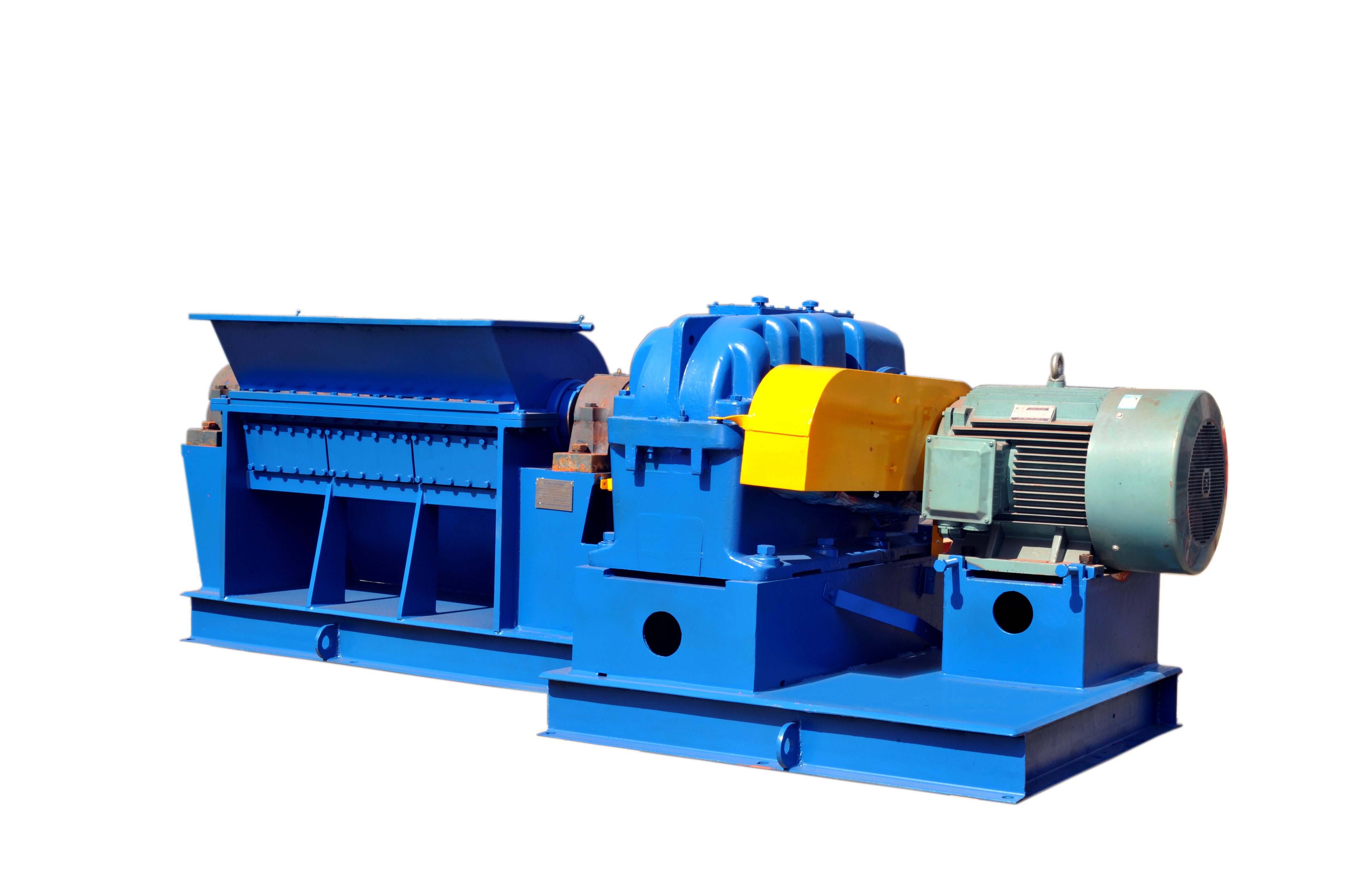
Slab Cutter
Front-end cutting stage used to reduce large rubber feed into smaller pieces before wet prebreaking.
size reduction
wet line
TSR10/20
Equipment coverage includes slab cutting, prebreaking, creping, shredding, crumb transfer, drying, baling, wrapping, inspection, conveying, palletising, and synthetic-rubber packaging scope.
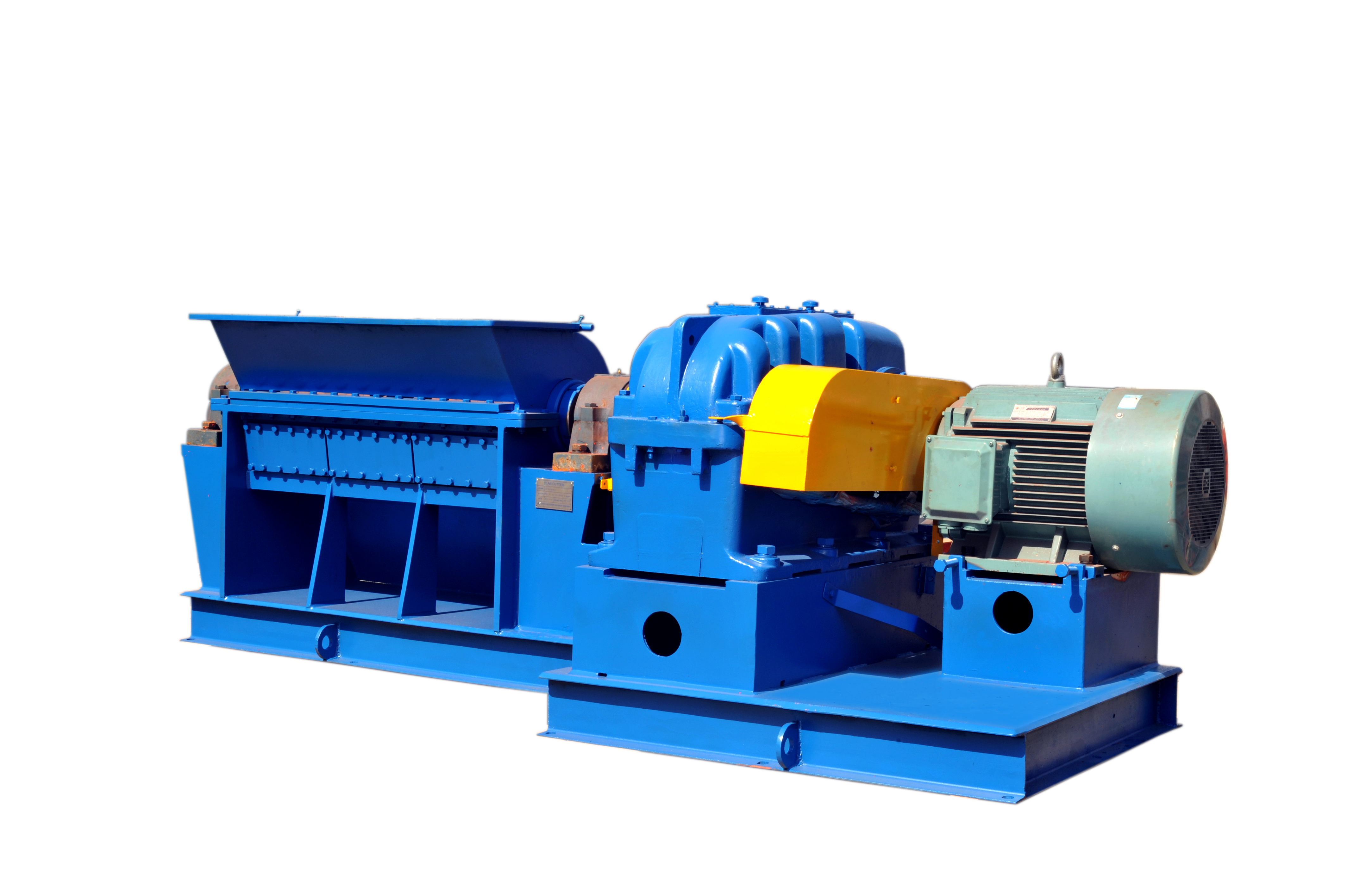
Primary size reduction before prebreaking and the rest of the wet-line process.
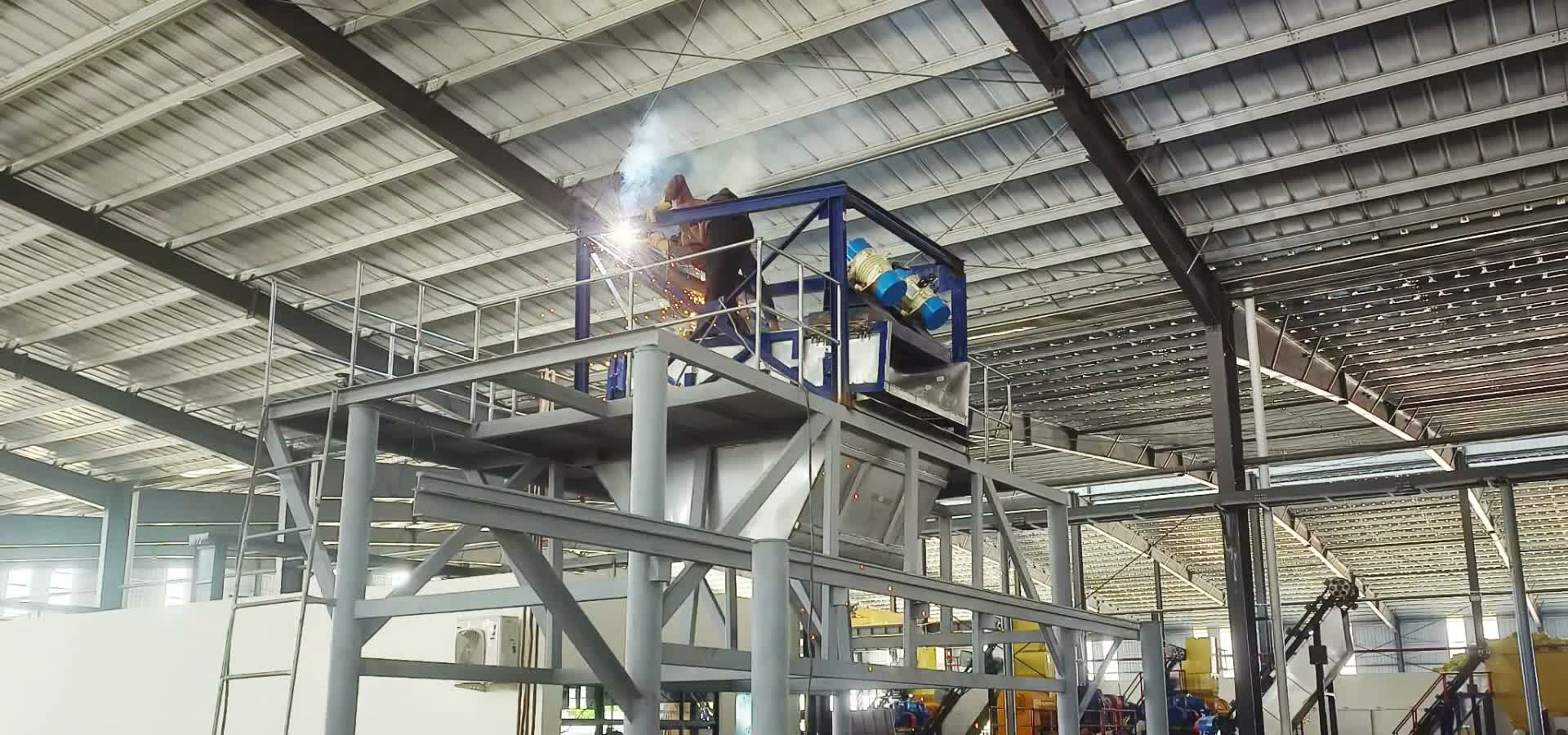
Dryer-section equipment matched to plant energy route, operating conditions, and section throughput.
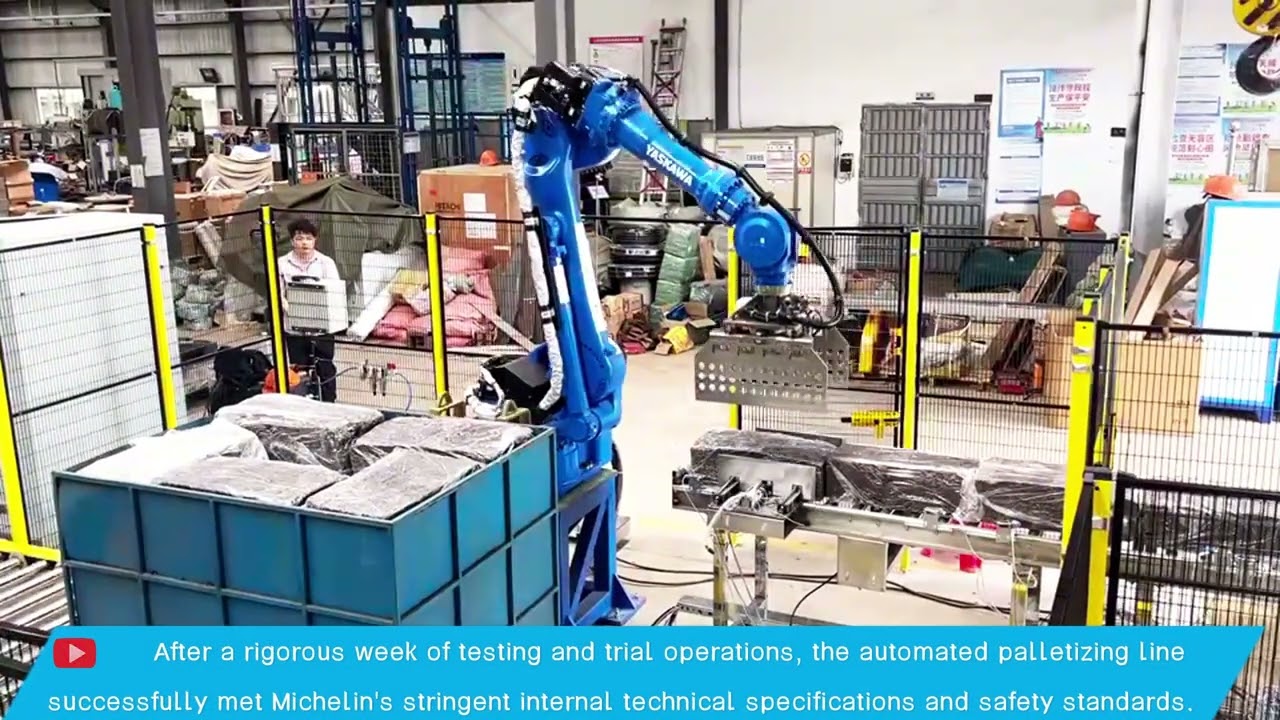
Compression, wrapping, conveying, inspection, and palletising for the packaging line.
Search across wet-line preparation, dryer-section systems, packaging-line equipment, automation modules, and synthetic-rubber post-processing scope.
Front-end cutting stage used to reduce large rubber feed into smaller pieces before wet prebreaking.
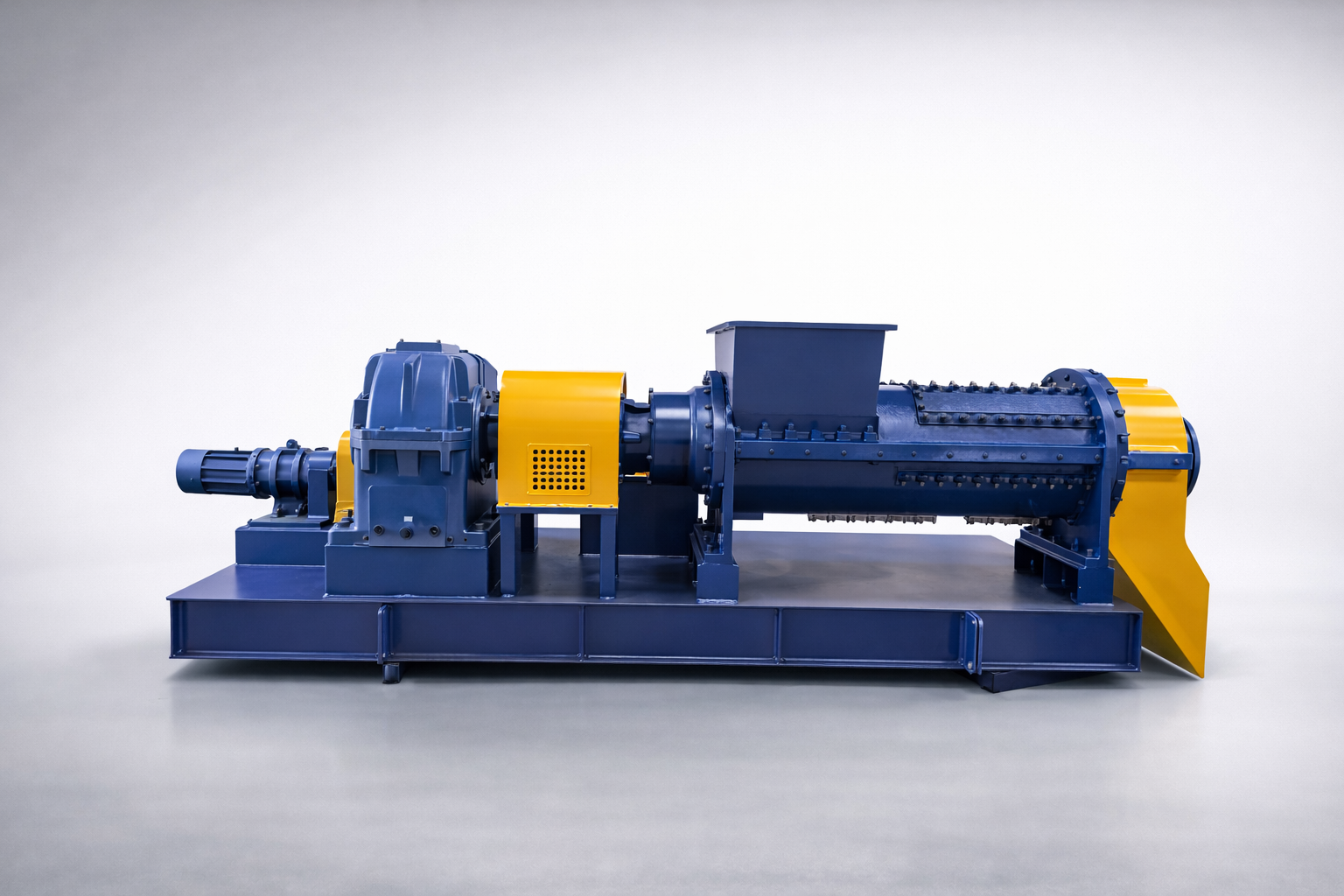
Wet-line crushing and extrusion stage used after slab cutting to reduce size and release internal moisture.
Single-screw prebreaking stage using screw compression to crush rubber and push out moisture ahead of creping.
Twin-screw prebreaking stage used where heavier-duty wet-line crushing and stronger dewatering behaviour are required.
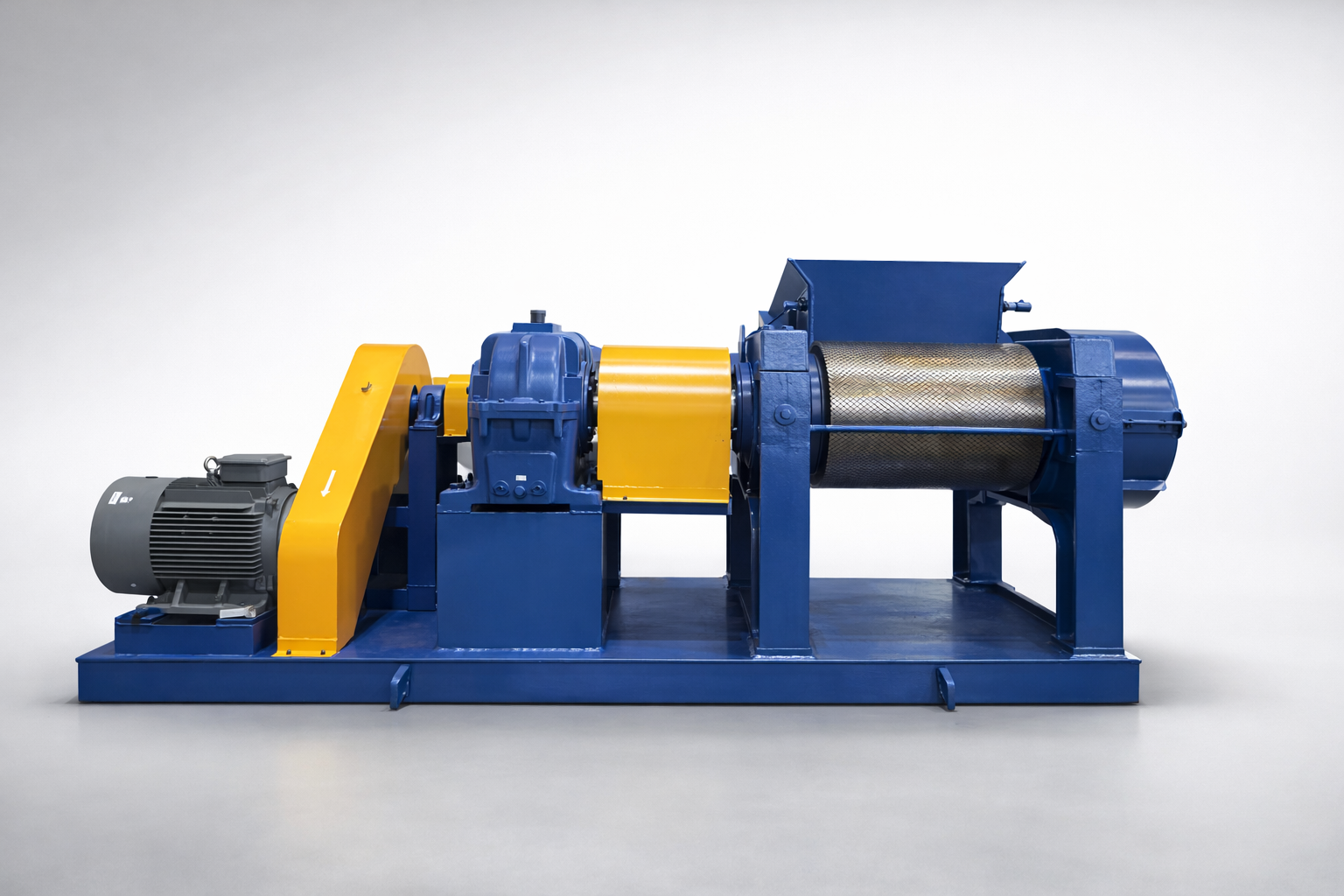
Roller-based stage that forms sheeted rubber and removes internal water before shredding.
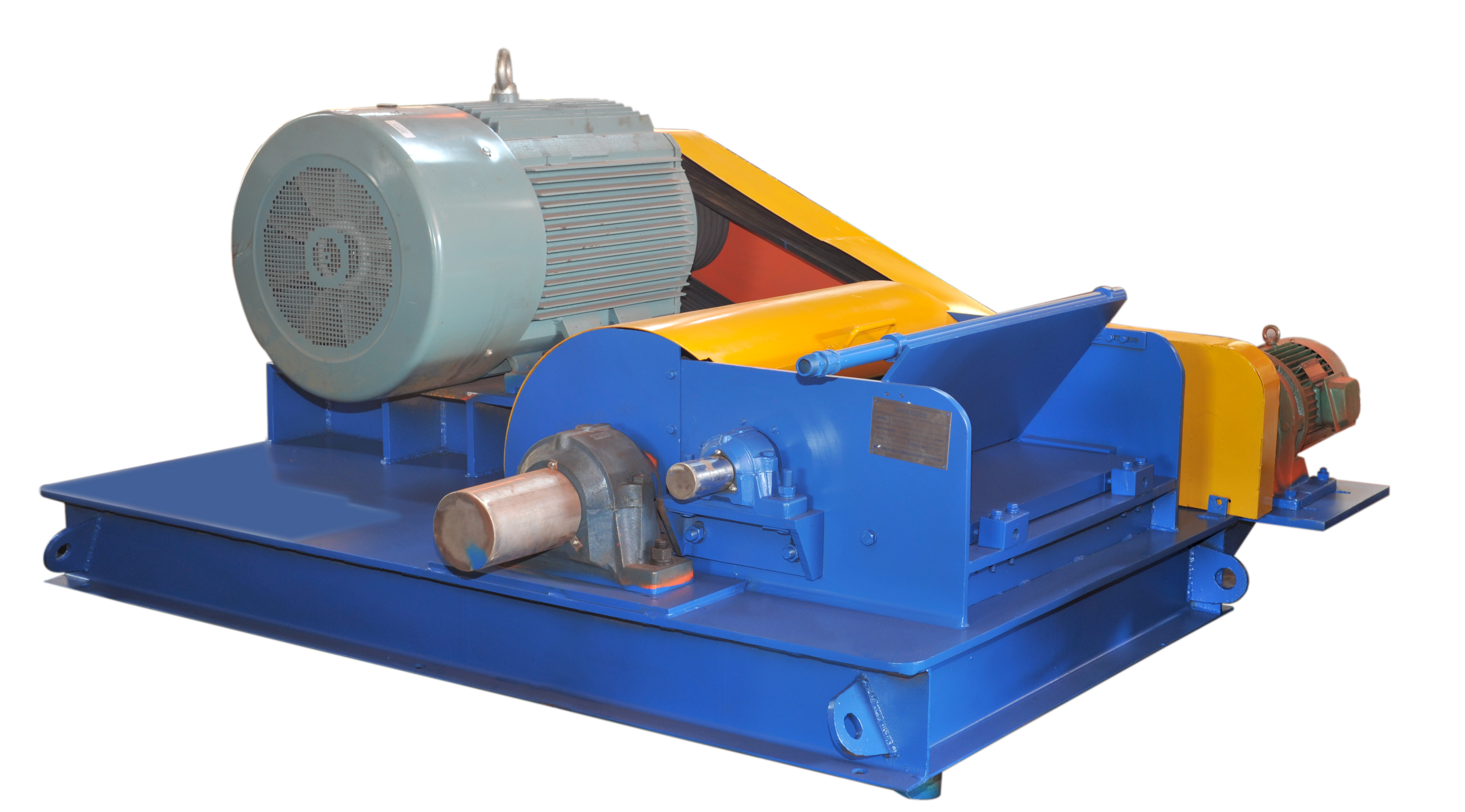
Cuts creped sheet into wet crumb for pumping, filling, and downstream drying support.
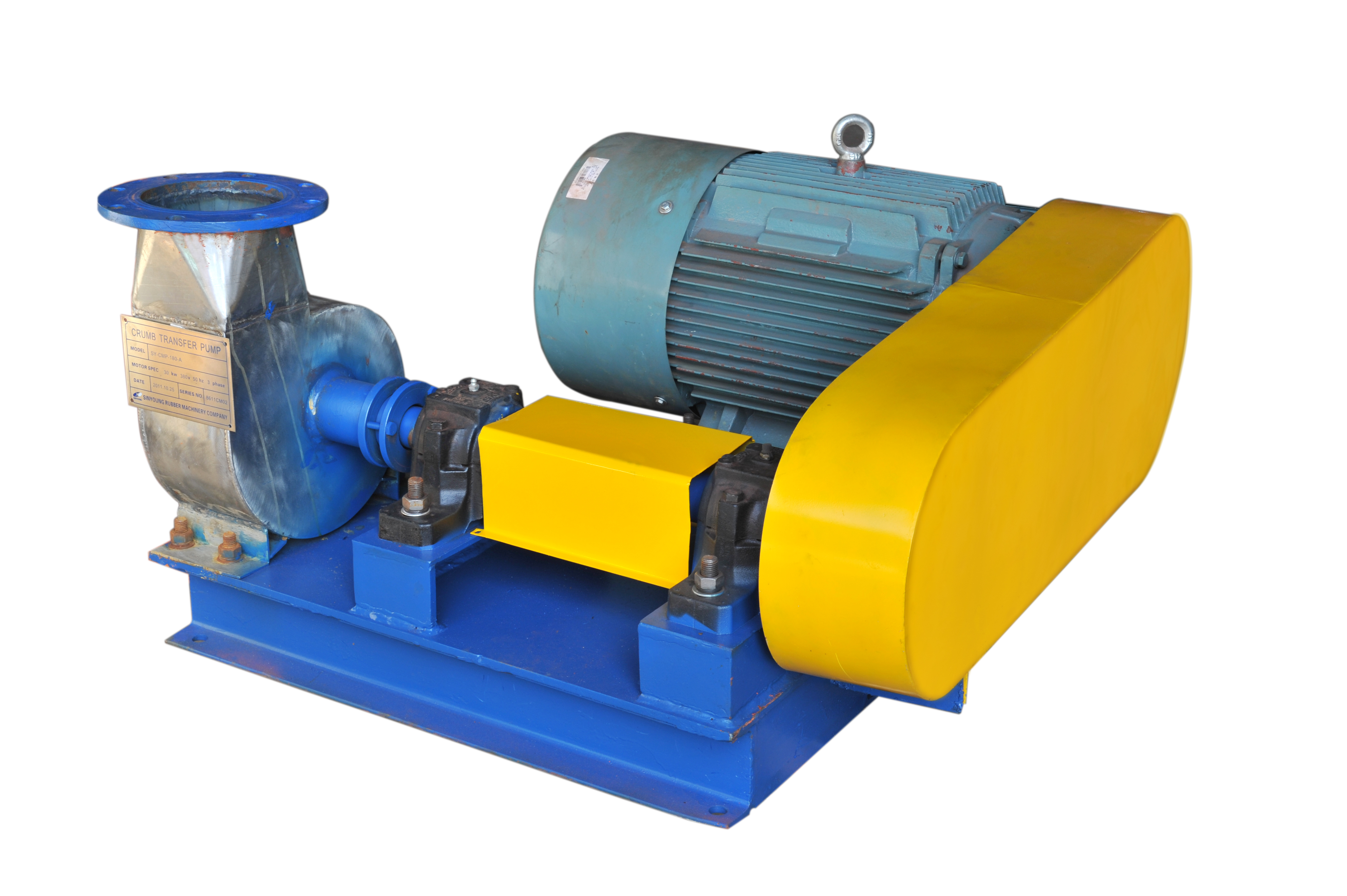
Pumps crumb rubber together with process water to the filling stage before drying.
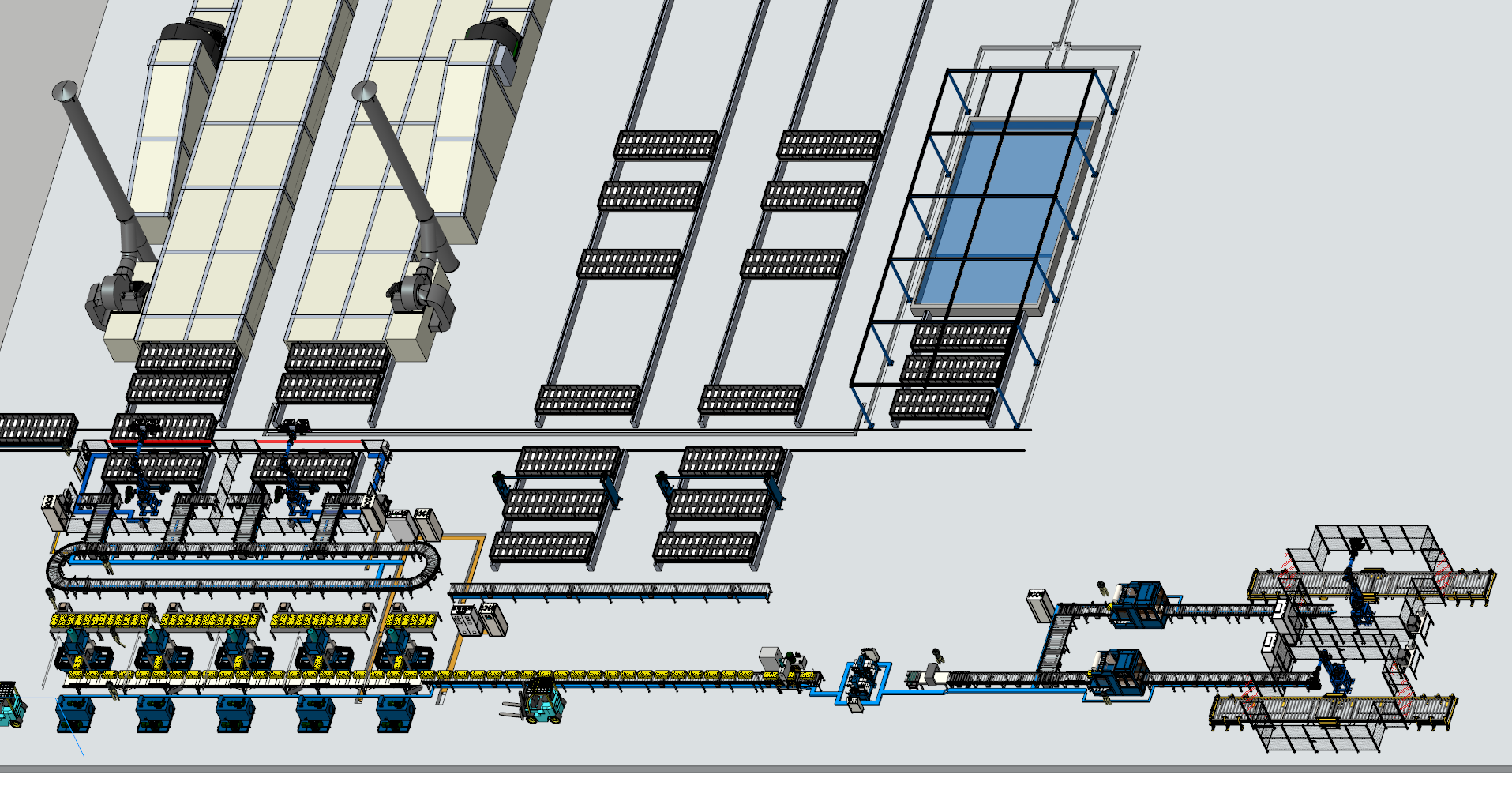
Conveying stage used for creped sheet, crumb, or bale transfer between adjacent process sections.
Perforated-bucket lifting conveyor used to take rubber from the water tank up to the next machine.
Tank paddle used to move rubber lump or crumb around the pool circumference during wet-line handling.
Linear stirring equipment for moving rubber material within wet-line tank stages.
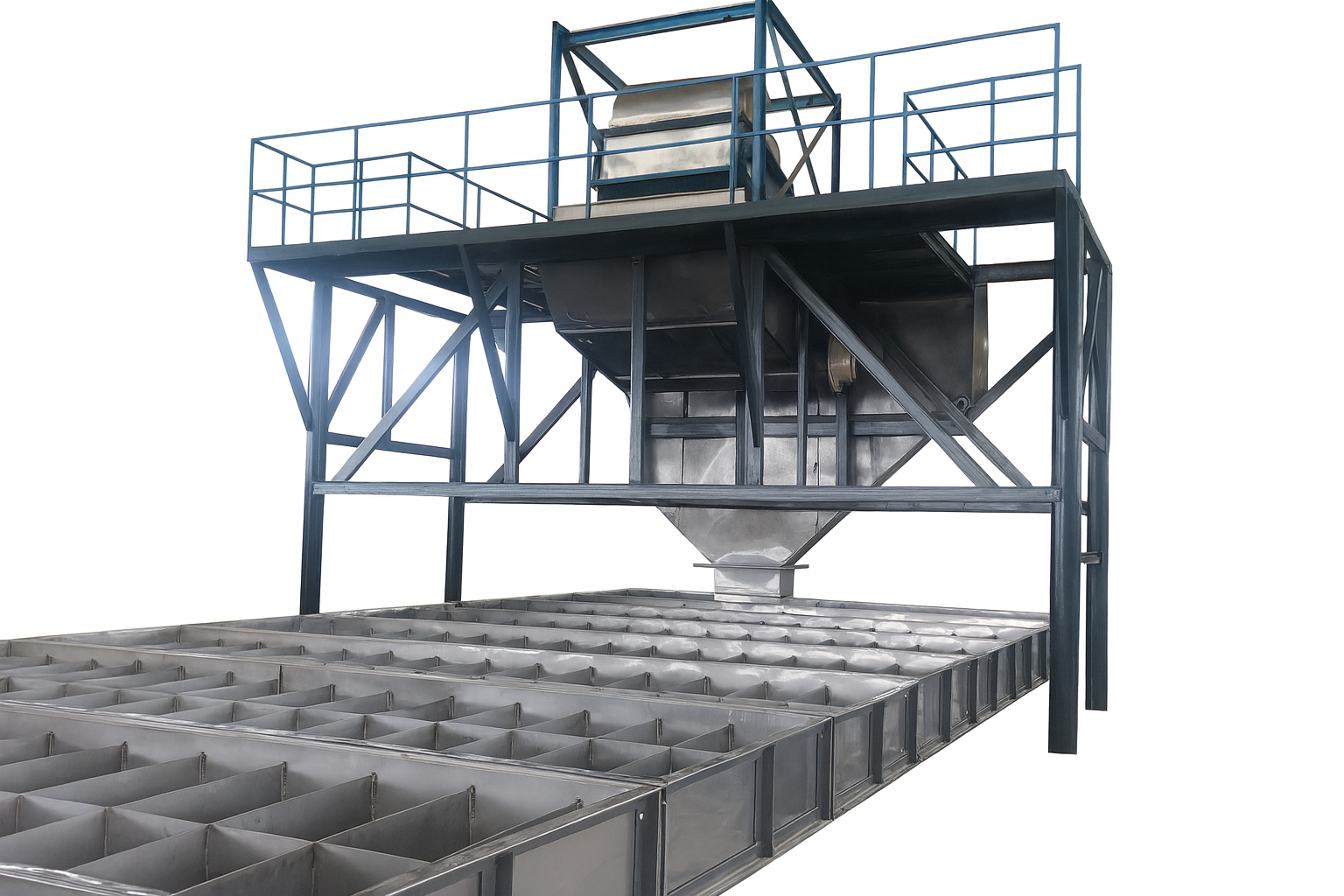
Receives pumped crumb, separates free water, and loads dryer trolleys more evenly.
Vibration-assisted filling stage used to separate free water and load dryer trolleys more evenly before thermal drying.
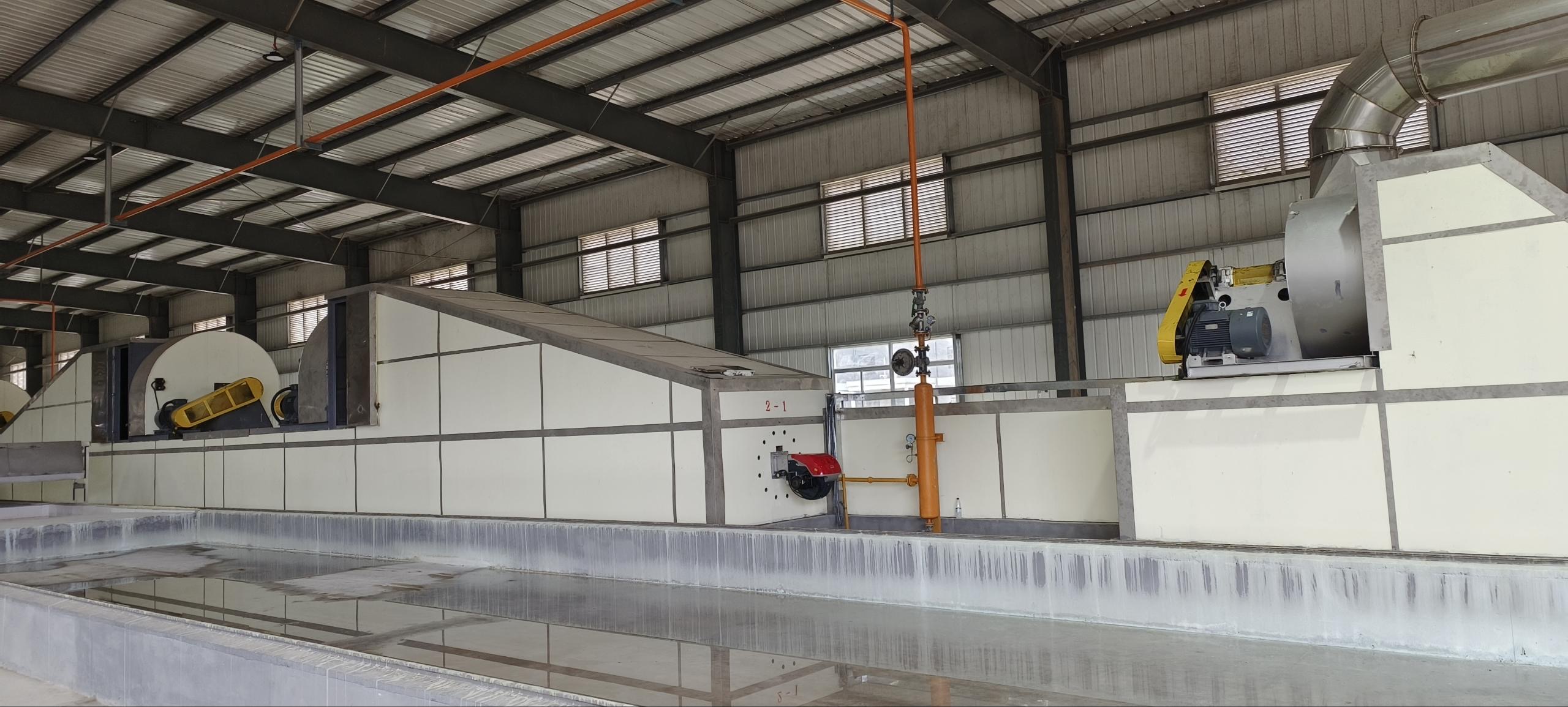
Trolley dryer using burner heat from diesel or gas where those utilities match site conditions.
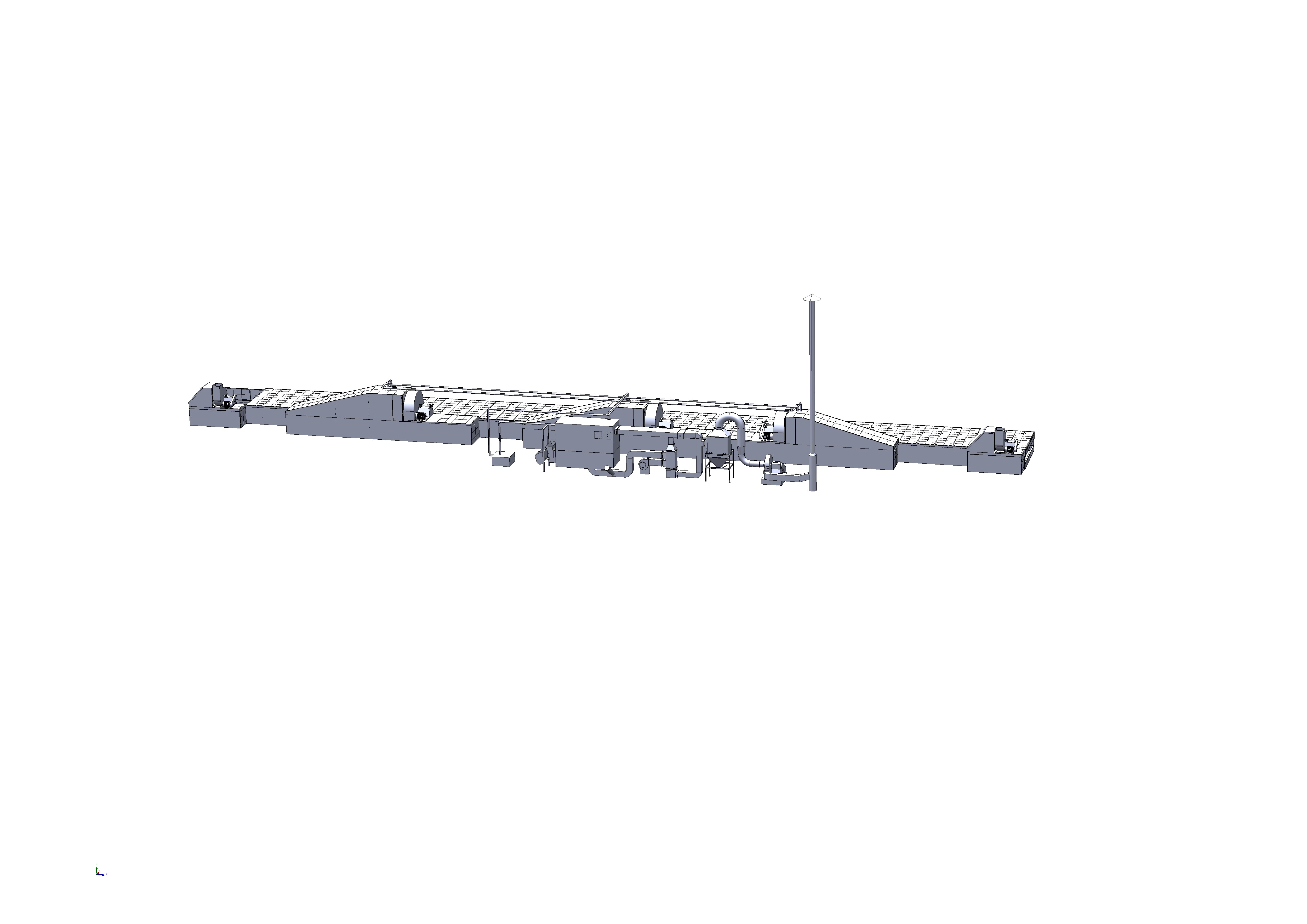
Drying system using a thermal-oil heat source for trolley or continuous drying configuration.
Drying system using steam boiler heat for controlled thermal drying duty.
Continuous dryer with mesh-belt conveying for applications that need continuous material movement through drying.
Box-type trolley dryer for batch drying where intermittent trolley movement fits plant workflow.
Post-drying size-reduction stage used where dried rubber must be broken down again before final packing or further conditioning.
Impact-based conditioning stage used after drying where additional size reduction or conditioning is required before packaging.
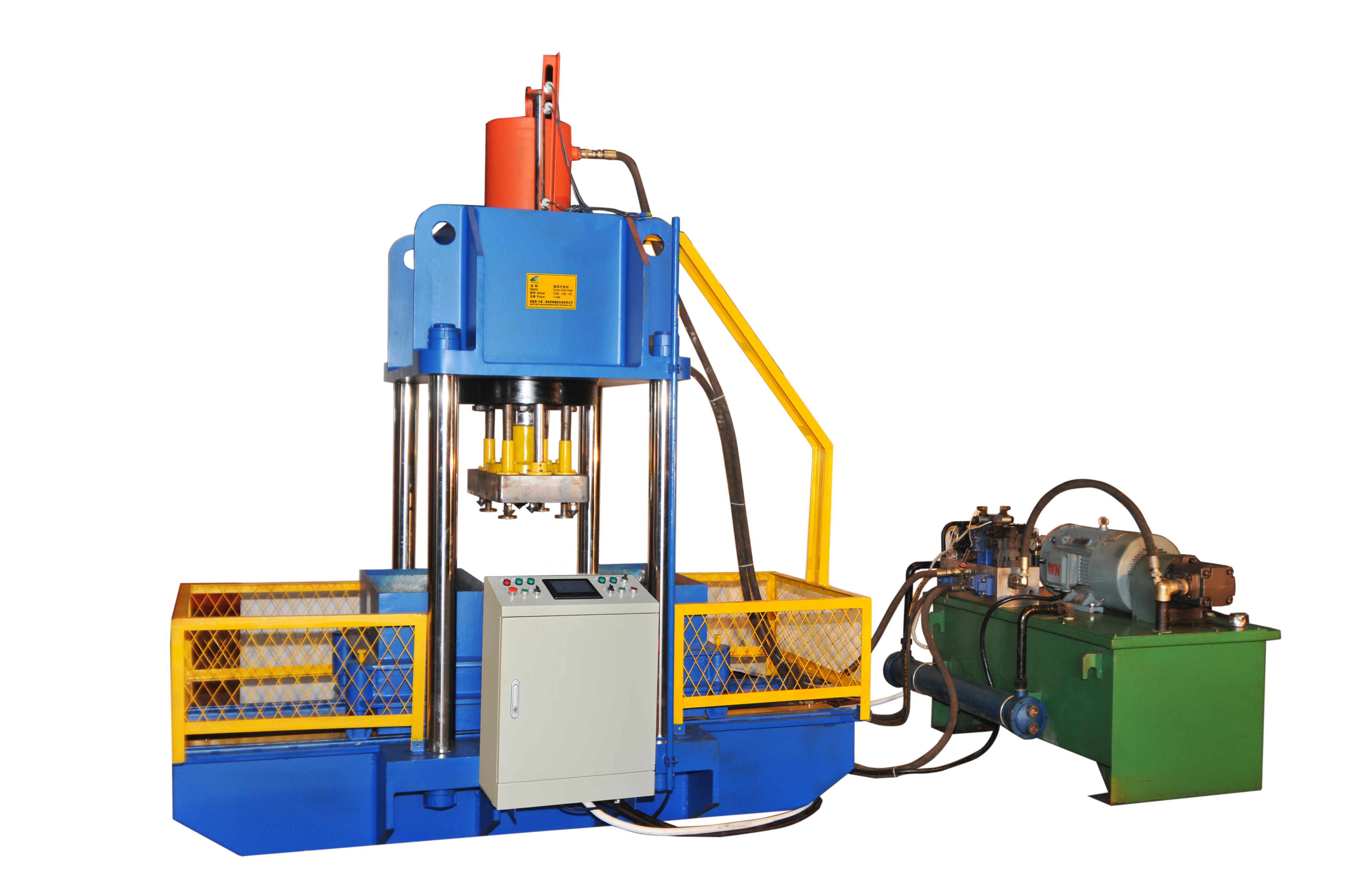
Single-chamber hydraulic baling stage for forming standard rubber bales before wrapping and handling.
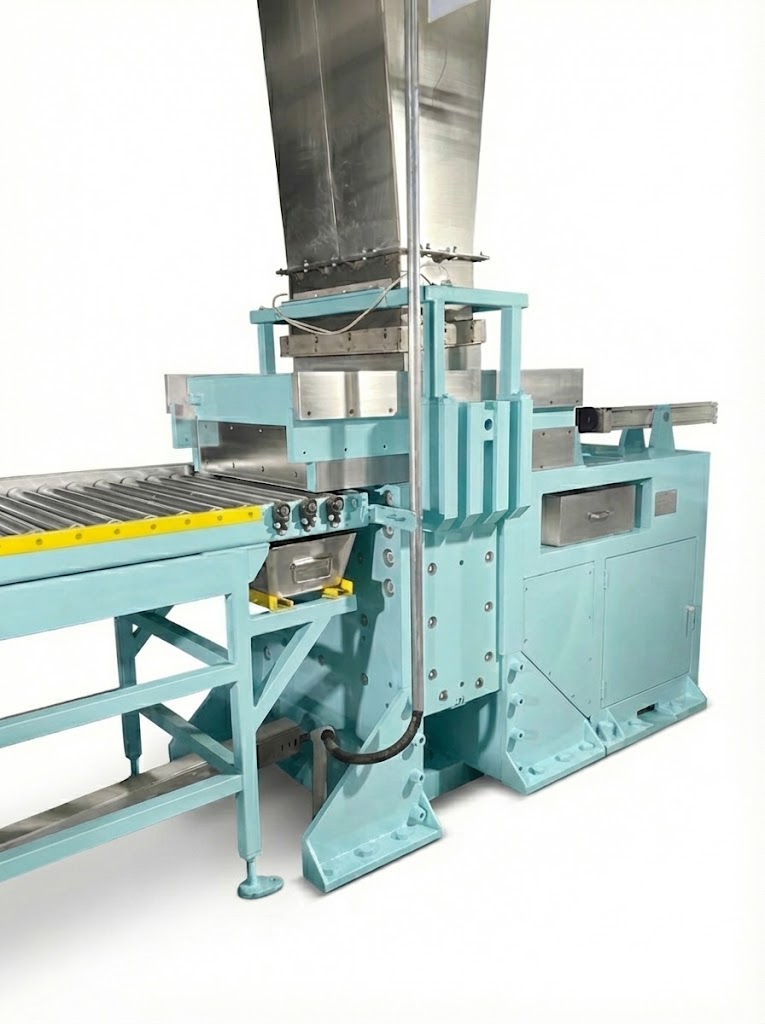
Dual-chamber compression equipment used where packaging continuity requires parallel bale-forming duty.
Disc-saw cutting stage for preparing smaller pieces before final baling or weight correction.
Inspection checkpoint used to detect metal contamination in the bale before final packing or dispatch.
Electronic weighing stage for checking bale weight inside the packaging sequence.
Roller-based transfer conveyor for bale movement through weighing, wrapping, and dispatch stages.
Curved roller conveyor for changing direction while keeping the bale orientation stable.
Dedicated conveying stage for moving formed bales through weighing, wrapping, inspection, and downstream transfer points.
Bag-opening support mechanism that holds the bag open while the bale slides into place.
Omni-directional table for free bale movement where manual repositioning or alignment is needed.
Work table for temporary bale placement between packaging-line operations.
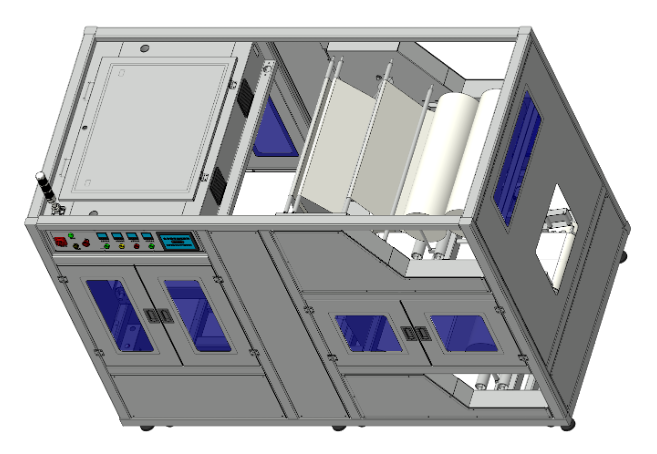
Automatic film-wrapping stage for consistent bale finishing and cleaner packaging presentation.
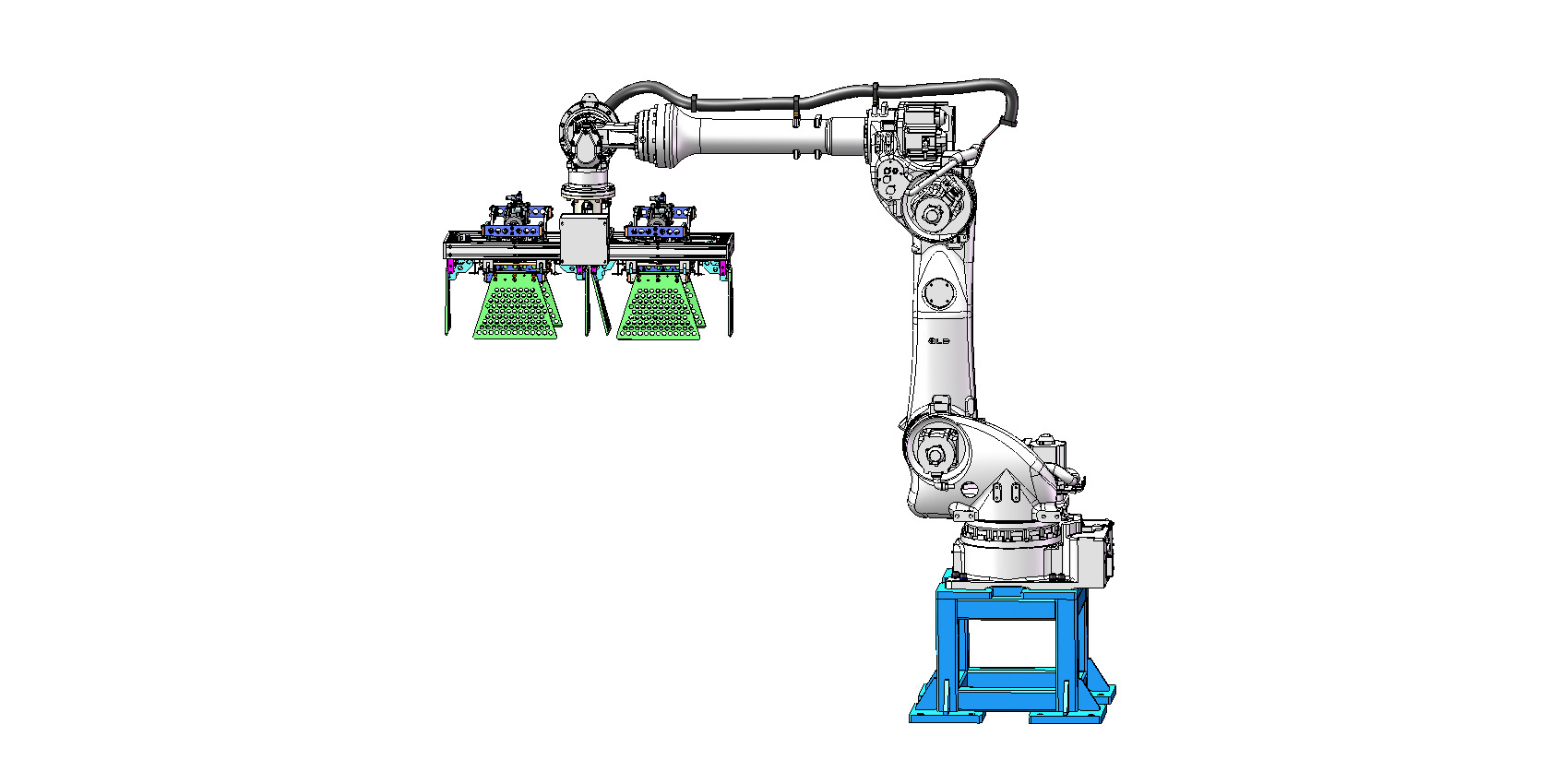
Robotic or mechanised unloading systems for moving dried bales from trolley output into conveyor flow.
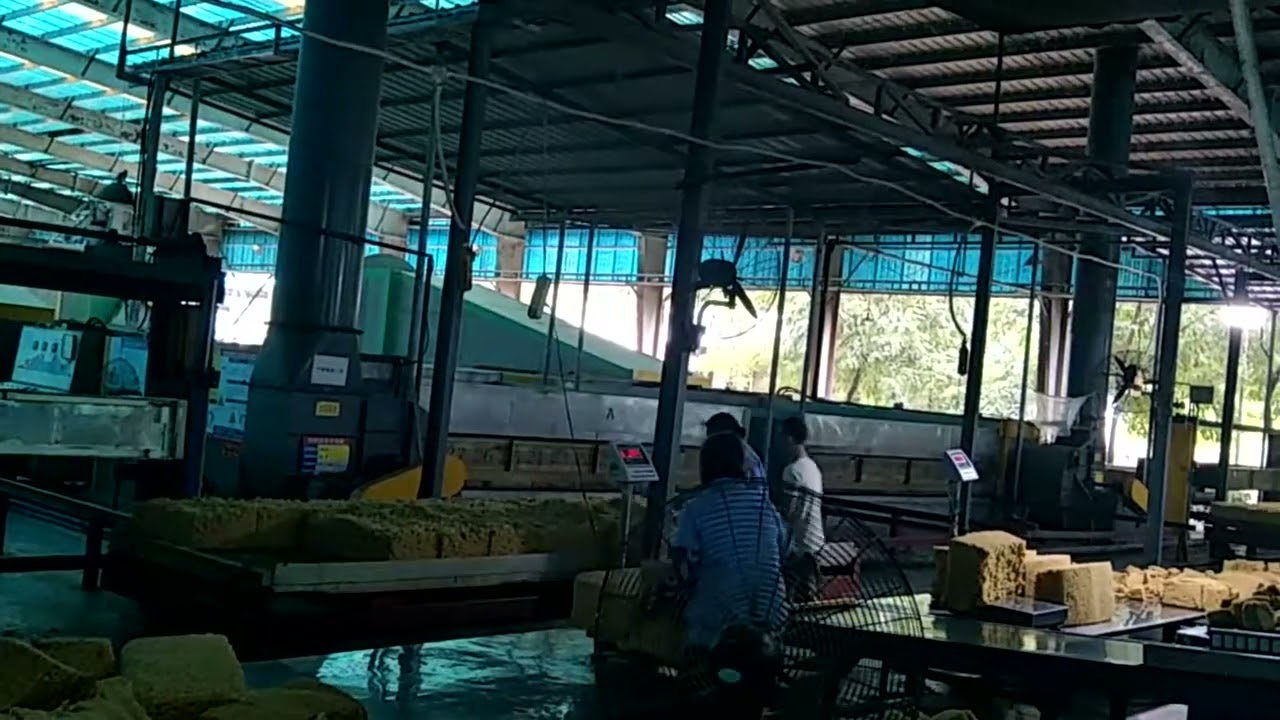
Separates and repositions the upper and lower dryer-trolley frames during unloading.
Moves dryer trolleys between parallel rails to coordinate loading, drying, and unloading flow.
Single-chamber baling press with feeding manipulator for automated press loading.
Dual-chamber baling press with automated feeding for higher packaging-line continuity.
Inspection station that opens the bale so internal condition can be checked before final dispatch.
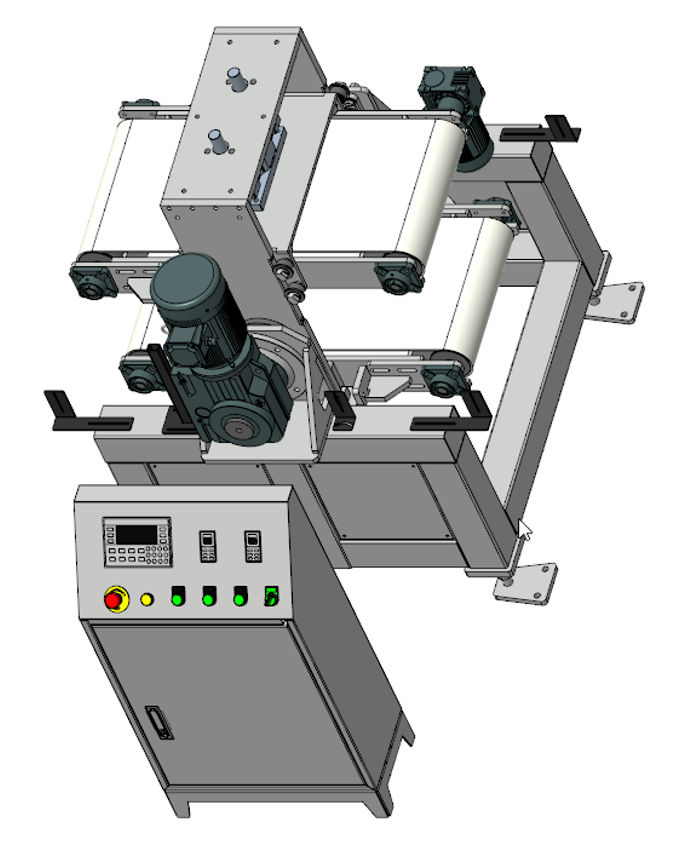
Rotates the bale for appearance inspection or the next packaging orientation requirement.
Automatically takes the bag, inserts the bale, and completes the bagging closure sequence.
Conveyor-integrated weighing stage for checking bale weight during automated packaging flow.
Robot handling stage for stacking bales onto pallets or into metal boxes.
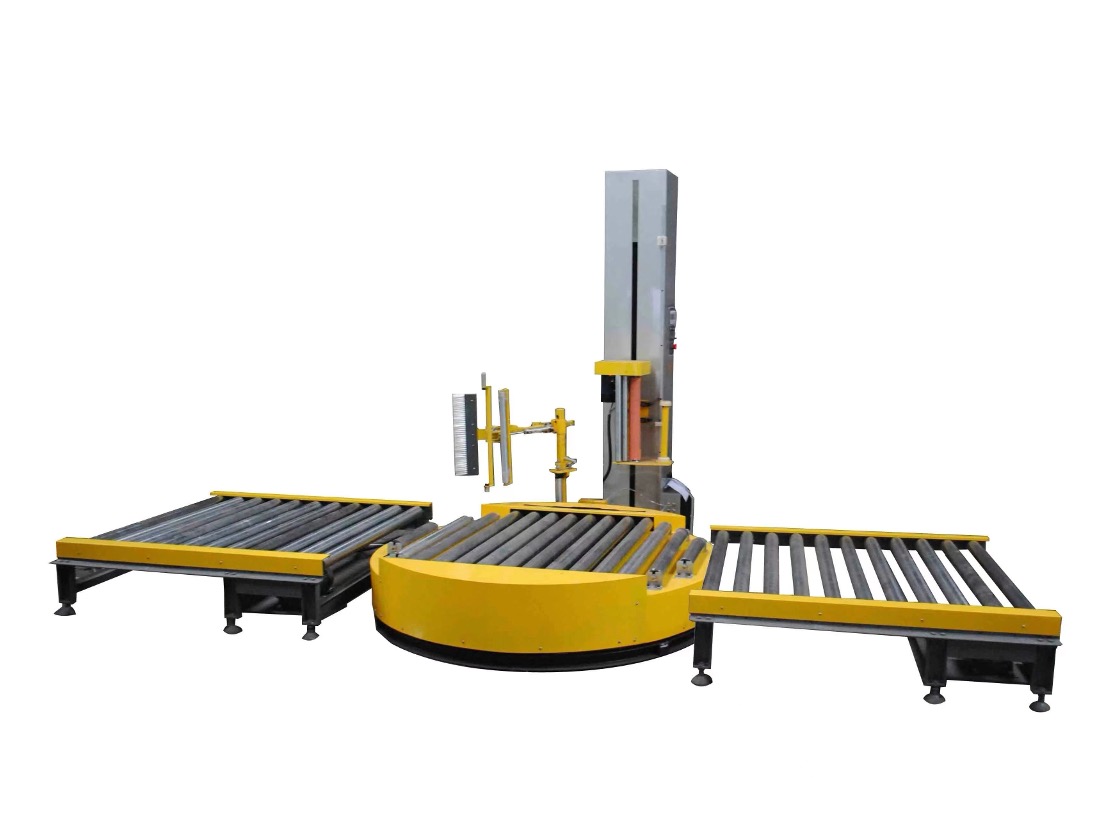
Wraps the completed palletised load for cleaner dispatch handling and transport stability.
Automatically separates one pallet from a stack and feeds it into the palletising sequence.
Curved belt conveyor for turning the conveying route without rotating the bale itself.
Pop-up transfer stage used to change the bale movement direction within compact automation layouts.
Lifts the bale, rotates it ninety degrees, and lowers it back into the line for the next transfer step.
Reject device that tips and removes a non-conforming bale after an alarm from weighing or inspection.
Centered roller conveyor with pneumatic alignment for consistent robot pick position.
Pneumatic centering conveyor used to fix the metal box position during robotic loading.
Positions the dryer trolley during unloading so movement is controlled and repeatable.
Drives the dryer trolley forward through the required transfer movement.
Vibration diverter used to switch material feed between two baling machines in synthetic-rubber packaging.
Vibrating feed conveyor used to deliver material into the weighing hopper above the baling press.
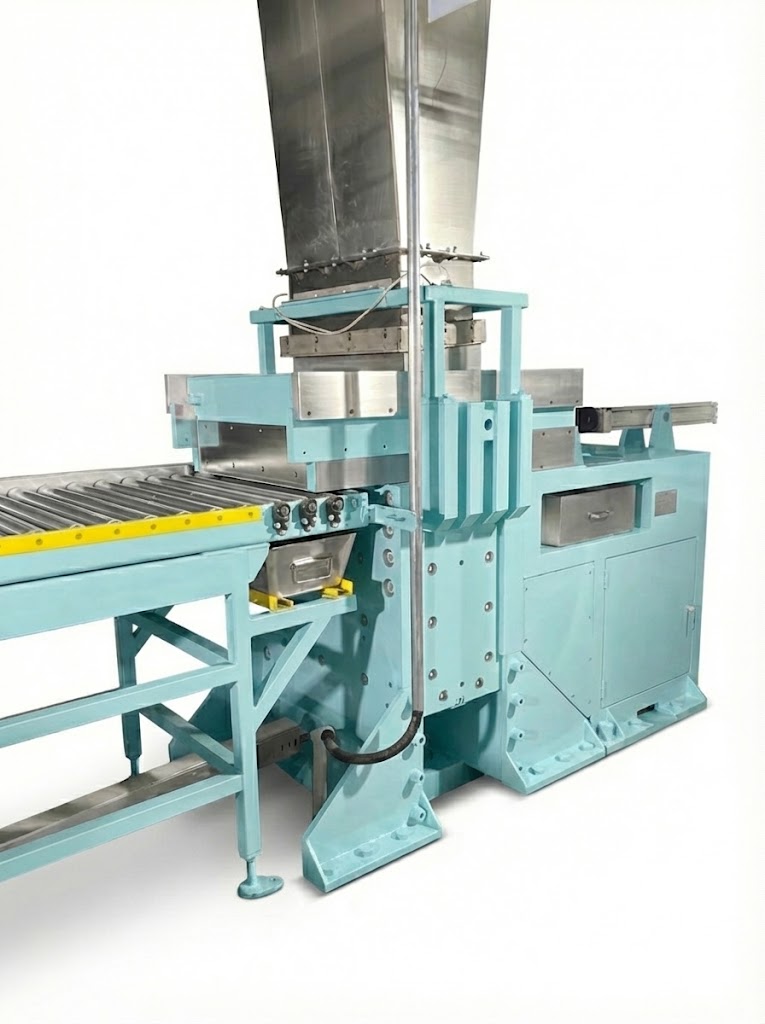
Baling-press configuration for synthetic-rubber packaging lines where controlled feed, stable compression, and repeatable packaging rhythm are required.
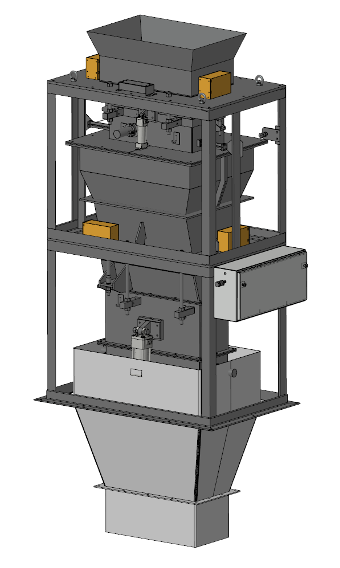
Metering hopper mounted above the baling press for controlled feed quantity.
Integrated baling, inspection, wrapping, conveying, and palletising scope for synthetic-rubber post-processing.
Try a broader machine name, clear the line-family filter, or return to the full catalogue.
Wet-line scope for material reduction, washing preparation, dewatering support, fibre separation, and transfer into downstream drying sections.
Primary size-reduction equipment used to cut large rubber lump or slab feed into smaller pieces for the next crushing stage.
Breaks down rubber material after slab cutting, helping reduce size, moisture, and impurity load before the next wet-line stage.
Single-screw and twin-screw prebreaker arrangements can be selected where process conditions call for different crushing and dewatering behaviour.
Creping rollers reduce water content and sheet thickness to prepare material for shredding or further downstream transfer.
Shreds creped material into wet crumb suitable for pumping, filling, drying, or subsequent conditioning stages.
Transfers crumb rubber with process water to downstream filling stations, supporting stable section-to-section conveying.
Belt conveyors for intermediate transfer
Bucket elevators for controlled feed lift
Tank paddles and stirrers for material movement support
Crushing and preliminary washing preparation
Fibre separation and impurity reduction support
Wet conveying continuity into filling and drying stages
Dryer-section equipment is configured around plant utility conditions, energy cost structure, and the required balance between section throughput and operating practicality.
Trolley drying system configured around diesel, LNG, coal, or comparable fuel routes according to local energy conditions and project cost structure.
Thermal-oil-based drying configuration for controlled heat transfer and section continuity.
Receives wet crumb, allows water to drain back, and supports consistent loading into drying trolleys.
Trolley dryer systems
Mesh belt dryer systems
Multi-fuel trolley dryer layouts for location-specific energy planning
Dry prebreaker stages for controlled reduction after the dryer section
Hammer mill stages where another conditioning step is required before packing
Section planning reviewed around dryer discharge, downstream feed form, and packaging-line continuity
Packaging-line scope covers bale formation, wrapping, weighing, contamination detection, and controlled transfer through the packing sequence.
Compression equipment for forming standard bale sizes for downstream wrapping and handling.
Parallel chamber format for higher baling continuity in conventional or automated packaging lines.
Automates film wrapping to produce cleaner, more consistent bale presentation and dispatch readiness.
Supports load control and packaging consistency before final baling or dispatch preparation.
Metal detector checkpoints before final packing
Internal bale inspection where sampling or opening stages are required
Visual inspection interfaces for quality control discipline
Straight and curve belt conveyors
Straight and curve roller conveyors
Ball transfer tables, bale tables, and dedicated bale conveyor sections
Automation-ready equipment for bale extraction, transfer, orientation control, wrapping, and robotic end-of-line handling.
Robotic pick-and-transfer solution for removing bales from dryer trolley positions into downstream conveyor flow.
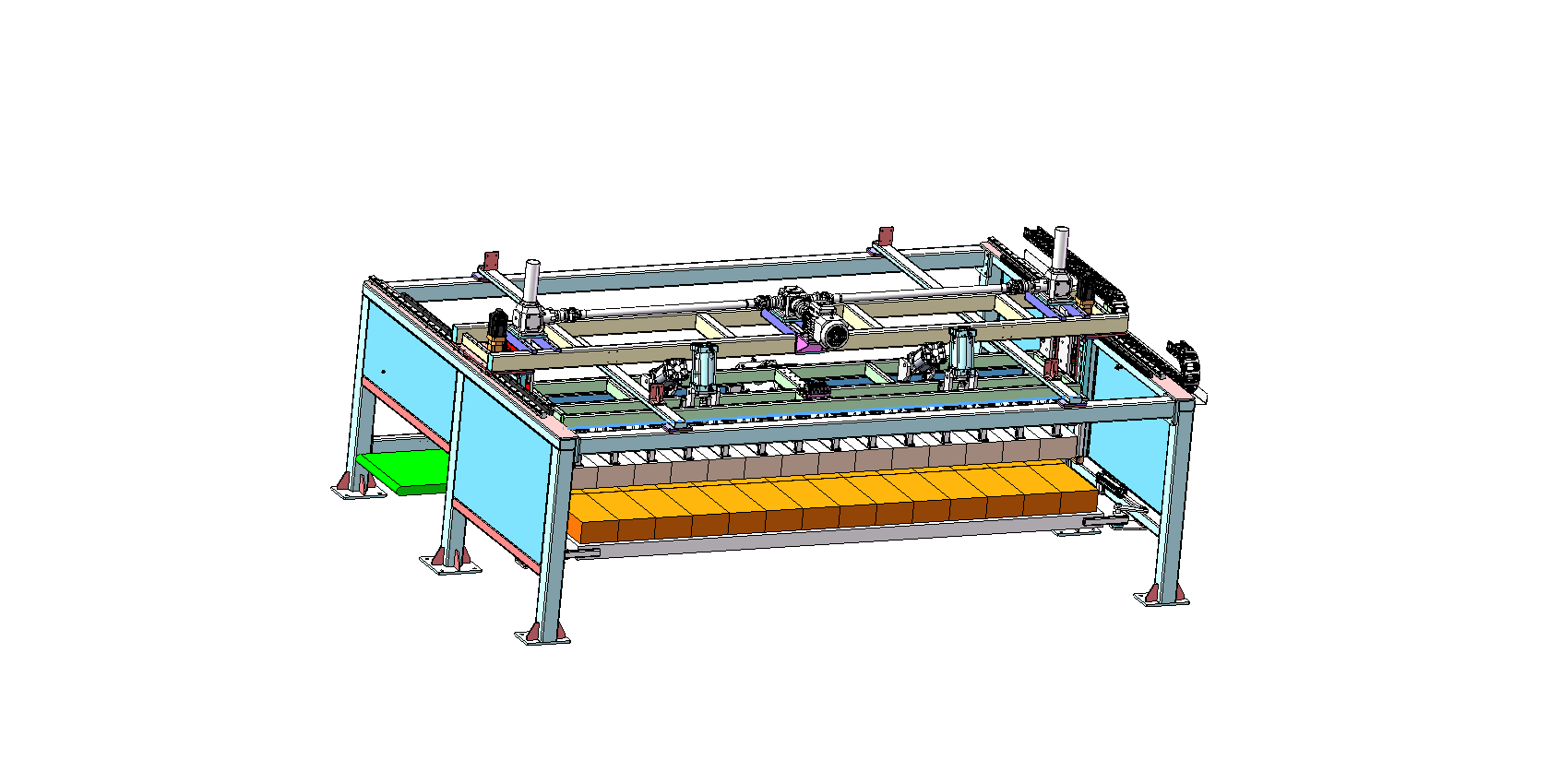
Mechanised extraction stage for batch unloading where robotic handling is not the selected format.
Turns bales for orientation control and inspection before subsequent wrapping or palletising stages.
Secures palletised loads for transport stability and cleaner dispatch handling.
Palletizing robots, pallet feed, and stack-wrapping stages can be configured for stable end-of-line automation.
Trolley separators, automatic transfer cars, centring conveyors, pop-up transfers, and positioning devices support packaging-line continuity.
Synthetic-rubber scope focuses on baling, wrapping, inspection, automated conveying, palletising, and post-processing support rather than polymerisation equipment.
Compression stage for synthetic-rubber packaging projects where controlled feed, stable bale formation, and reliable handoff into wrapping or palletising are required.
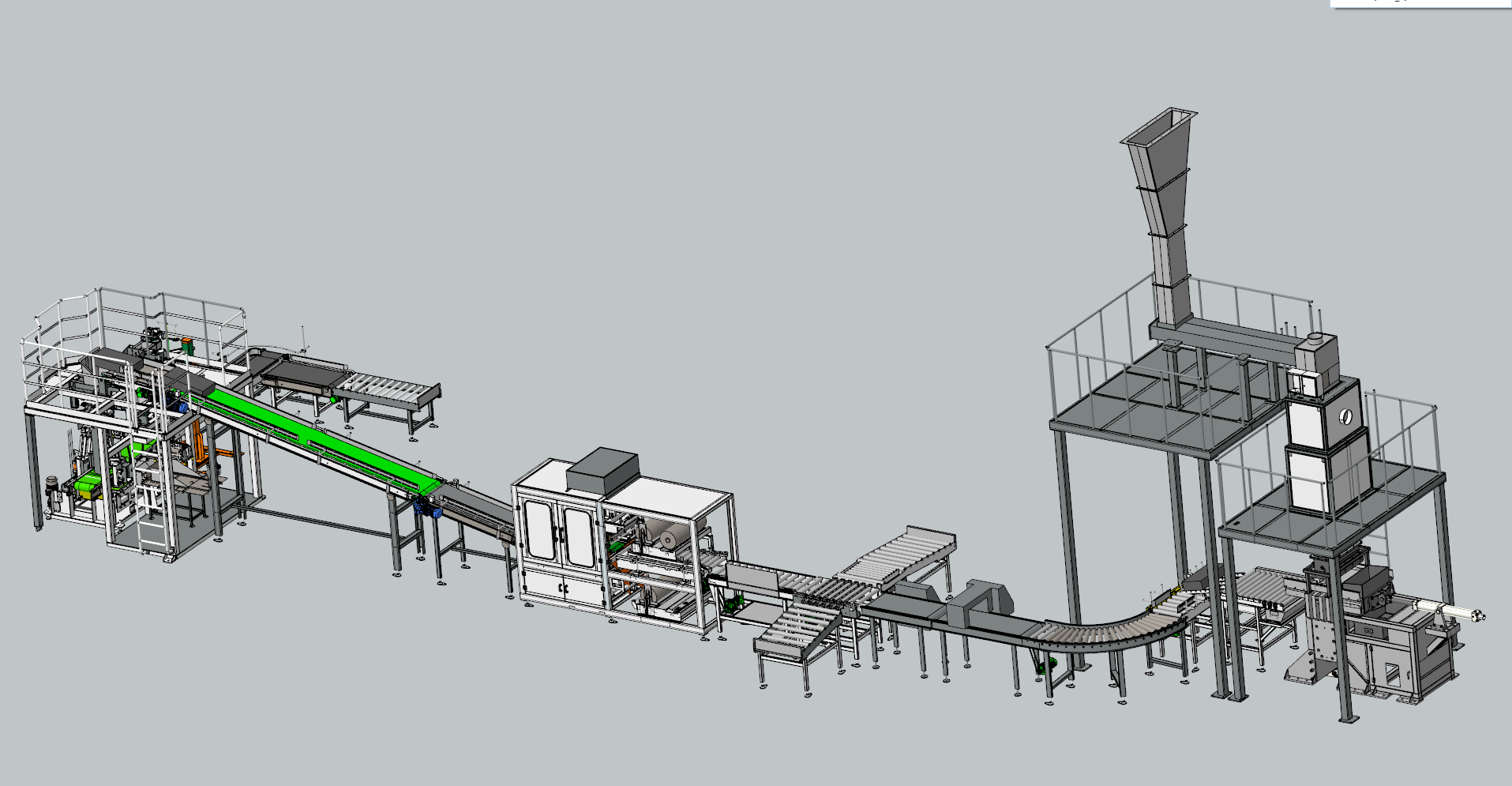
System layout reference for baling, inspection, wrapping, conveying, and palletising inside a synthetic-rubber post-processing line.
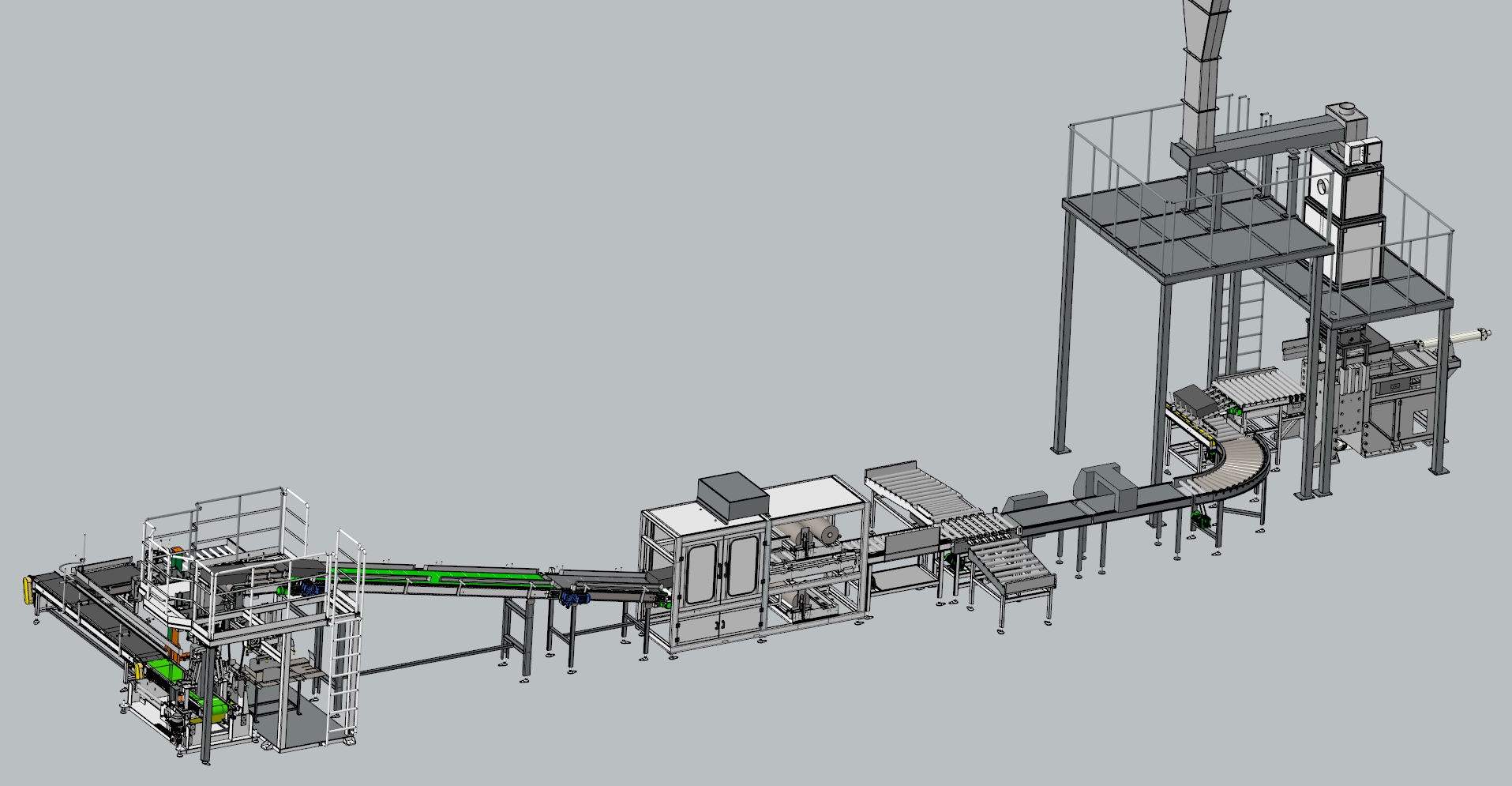
Supports clean operation, stable cycle control, and reliable downstream handling in mature synthetic-rubber plants.
Synthetic rubber baling press
Wrapping and bagging machines
Weighing hopper, vibrating conveyor, and metal detection stages
Conveying and palletising systems
Continuous operating stability
Cleanliness and packaging discipline
Controlled cycle timing and system integration
Reliable post-processing workflow continuity
Equipment can be supplied as complete line packages or as individual machines and subsystem groups for replacement, phased expansion, or partial retrofit projects.
New plants procuring by section rather than in a single package
Existing plants replacing bottleneck machines
Packaging-line upgrades targeting lower labour intensity and better consistency
Partial modernisation where full line replacement is not required
Share the process stage, operating constraints, and project objective and Stratvale will help define the right equipment scope.